

Lost Airlines — Air Florida
Air Florida (1971–1984)
Air Florida was deregulation's most aggressive opportunist — a small Florida charter operator that transformed itself overnight into a national low-cost carrier, expanding from 3 aircraft to 46 in just four years. Its ambition outran its experience, and a catastrophic crash in Washington DC in 1982 exposed the dangers of growing too fast in a newly deregulated sky.
Founded in Miami
Aircraft at peak in 1982
Ceased operations
Heritage
From Charter to National Carrier
Air Florida was founded in 1971 as a small charter operator based in Miami, flying holidaymakers to the Caribbean and Central America. When deregulation passed in 1978, its founder Eli Timoner saw an opportunity that few others moved on as quickly. Within months, Air Florida had applied for and received authority to operate scheduled services on dozens of routes across the United States and to Europe. By 1981, it was operating transcontinental services, transatlantic routes to London and Amsterdam, and a dense network of domestic routes — all built on a foundation of low fares and aggressive marketing. The expansion was breathtaking in its speed and ambition.
Identity
Blue Skies and Florida Sun
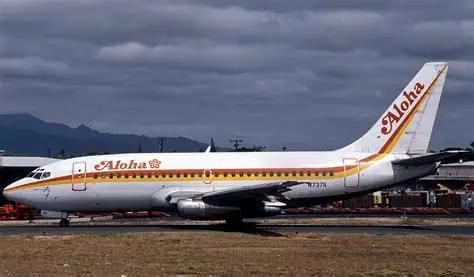
Air Florida's livery reflected its origins and aspirations: a white fuselage with a broad blue cheatline and the Air Florida name in a clean, modern typeface. The tail featured a stylised sun design — a nod to the airline's Florida roots and its promise of sunshine destinations. The livery was attractive and professional, designed to reassure passengers that this was a serious airline despite its low fares. As the airline expanded into transatlantic routes, the livery remained consistent, giving Air Florida a visual coherence that belied the speed of its growth.
Collapse
Flight 90 and the Frozen Potomac
On 13 January 1982, Air Florida Flight 90 crashed into the 14th Street Bridge in Washington DC shortly after take-off from National Airport, killing 78 people. The investigation found that the crew had failed to use engine anti-ice systems and had taken off with ice on the wings. The crash was a direct consequence of the airline's rapid expansion: crews were flying aircraft and routes they were not fully trained for, in conditions they had not encountered in Florida. The reputational damage was catastrophic. Passenger numbers collapsed, and the airline's financial position — already stretched by its expansion — became untenable. Air Florida filed for bankruptcy in 1984 and never recovered.
Deregulation
The Dangers of Deregulation Without Experience
Air Florida's story is one of the most cautionary in the history of deregulation. The Act removed the barriers that had prevented new entrants from competing on established routes — but it could not remove the experience gap between a new carrier and the established airlines. Air Florida expanded into markets, weather conditions, and operational environments that its management and crews were not prepared for. The CAB's regulatory framework had been imperfect, but it had also acted as a brake on the kind of reckless expansion that Air Florida pursued. Deregulation removed that brake, and the consequences were fatal — literally, in the case of Flight 90.
Legacy
A Warning Written in Ice
Air Florida is remembered primarily for the tragedy of Flight 90, and that is appropriate — 78 people died, and the causes were preventable. But the airline's story is also a broader warning about the risks of deregulation without adequate safety oversight. The Act of 1978 assumed that market competition would discipline airlines into efficiency and safety. Air Florida demonstrated that competition could also incentivise corners being cut. The crash led to significant improvements in FAA oversight of new entrant carriers and in crew training requirements for winter operations. It was a lesson paid for at terrible cost.
Frequently Asked Questions
Common Questions
What happened in the Air Florida Flight 90 crash?+
On 13 January 1982, Air Florida Flight 90 crashed into the 14th Street Bridge over the Potomac River in Washington DC, 30 seconds after take-off from National Airport. The Boeing 737 had taken off with ice on its wings after the crew failed to activate the engine anti-ice system and used reverse thrust during taxi, which ingested slush into the engines. Of the 79 people on board, 74 died, along with 4 people on the bridge. The crash is one of the most studied accidents in aviation history.
How quickly did Air Florida expand after deregulation?+
Air Florida's expansion after 1978 was extraordinary. The airline went from a small Florida charter operator with 3 aircraft to a national and international carrier with 46 aircraft in approximately four years. It launched scheduled services to dozens of US cities, transatlantic routes to London and Amsterdam, and Caribbean services — all within a few years of deregulation. This pace of expansion was widely cited as a contributing factor to the operational and training deficiencies that led to the Flight 90 crash.
Did Air Florida survive the 1982 crash?+
Air Florida continued to operate after the crash but never recovered financially or reputationally. Passenger numbers fell sharply, and the airline's already stretched finances could not absorb the losses. The airline filed for Chapter 11 bankruptcy protection in 1984 and ceased operations later that year. Several attempts to restructure and revive the carrier failed, and Air Florida was permanently grounded.
What regulatory changes followed the Air Florida crash?+
The Flight 90 crash led to significant changes in FAA regulations and airline operating procedures. The FAA tightened oversight of new entrant carriers, which had been expanding rapidly since deregulation with less scrutiny than established airlines. Winter operations training requirements were strengthened, and procedures for de-icing and anti-ice system use were clarified. The crash also contributed to broader debates about whether the FAA had sufficient resources to oversee the rapidly expanding post-deregulation airline industry.